There are an estimated 4.5 million Daybreak honey bees buzzing around our neighborhoods. Because less than 25% of Daybreak is currently developed, open fields and diverse plantings help support the hives that arrive each spring and are cared for by professional apiarists.
The goal is simple: help bees thrive so they can pollinate our landscapes. They move through yards and parks, along trails, and among blossoms in our community gardens and adjacent family farms. We adore our little pollinators—and we can all help protect them.
Why Bees Matter
A Center for Biological Diversity report evaluated more than 1,400 native North American bee species and found that over half are declining and nearly a quarter risk extinction. Bees play a crucial role in our ecosystem; roughly one out of every three bites of food relies on bee pollination. Two major threats include habitat loss and pesticide use.
How Daybreak Residents Can Help
- Plant native, bee‑friendly flowers in your yard for continuous bloom from spring through fall.
- Avoid pesticides, especially systemic types harmful to pollinators.
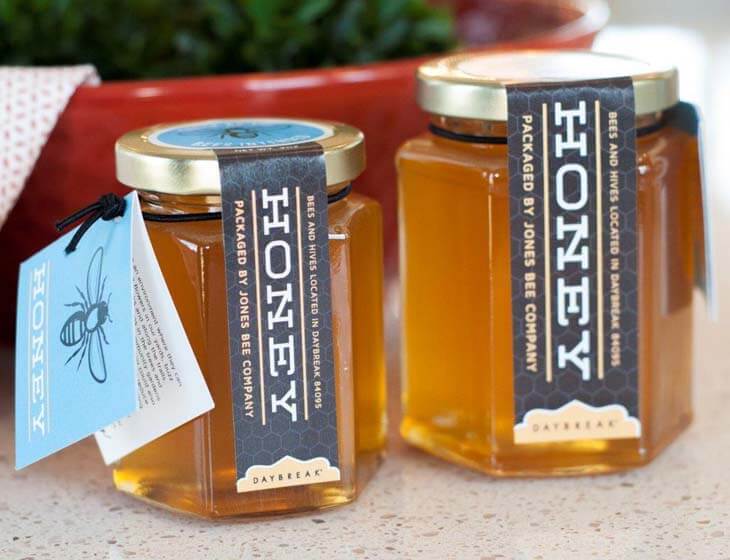
- Buy real local honey to support beekeeping and regional biodiversity.
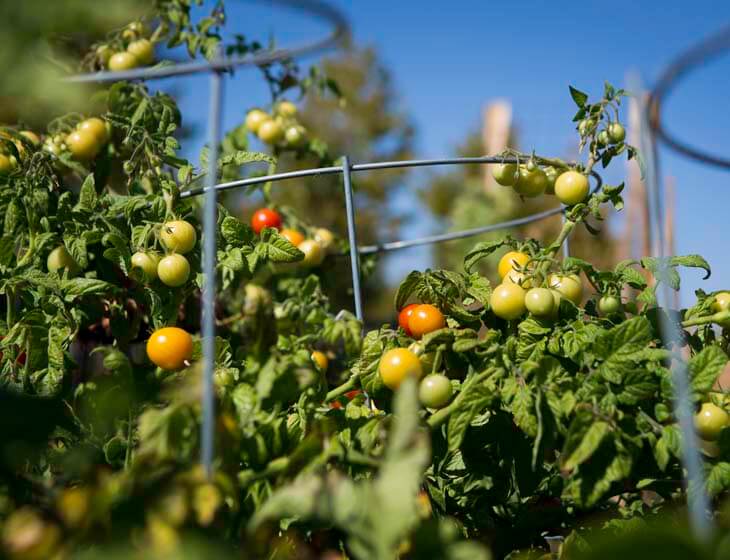
- Grow a vegetable garden in your yard—or rent a plot in our community gardens.
- Don’t exterminate bees. Contact a local beekeeper for safe relocation if needed.
Community Gardens at Daybreak
Daybreak features six community gardens with more than 347 garden plots across the community. Residents interested in renting a plot can reach the Daybreak Community Association at 801‑254‑8062. Learn more about locations and availability on the Community Gardens page.
Where to Find Daybreak Honey
If you haven’t tried it yet, pick up a jar at Swirly Girls on SoDa Row. Our honey is sold raw, meaning it’s unpasteurized and contains no added water—so it retains natural vitamins, enzymes, and active phytonutrients. Read more about the health benefits of Daybreak honey.
More Helpful Resources
Next steps: Visit the Info Studio at the Cove House, stroll the trails, and explore our amenities.
*We love sharing tips, but this isn't a substitute for expert guidance. Always connect with a qualified real-estate pro for personalized advice.


