
California has been the largest source of new residents moving to Utah for years. In 2022, Californians accounted for nearly one-third of people moving to Utah from another state, according to the Gardner Policy Institute. The reasons are easy to understand: more room for your housing budget, a flat state income tax, four distinct seasons, and quick access to mountains, trails, and ski resorts.
But “more affordable” and “less crowded” only tell part of the story. Utah is not a discount version of California. It has its own geography, climate, costs, culture, and pace of life. The details that shape your experience are often the ones that do not make it into a typical relocation checklist.
Here’s an honest look at what to expect when you move from California to Utah —from choosing the right part of the state to planning your first winter weekend.
Utah 101: A Quick Geography Primer for Californians
Utah is smaller than California in both land area and population, but its communities are spread across very different landscapes. Where you choose to live will shape your commute, home price, weather, access to recreation, and day-to-day rhythm.
The Wasatch Front
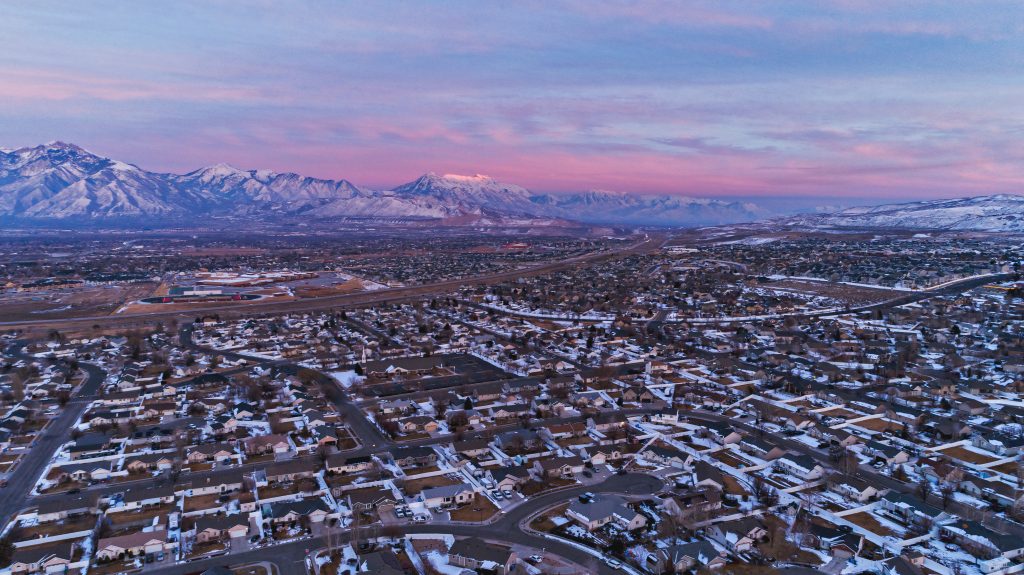
Most Utahns live along the Wasatch Front, an urbanized corridor that runs roughly 120 miles along the western base of the Wasatch Mountains. Therefore, we will spend most of the time in this guide focusing on this area. It stretches from Ogden through Salt Lake City and South Jordan, then south into Utah County communities such as Provo, Lehi, and American Fork.
For Californians, the closest comparison may be a connected network of cities and suburbs anchored by a central urban area. The difference is the geography: instead of a bay or coastline defining the region, the Wasatch Mountains shape commutes, neighborhoods, views, and weekend plans.
Southern Utah
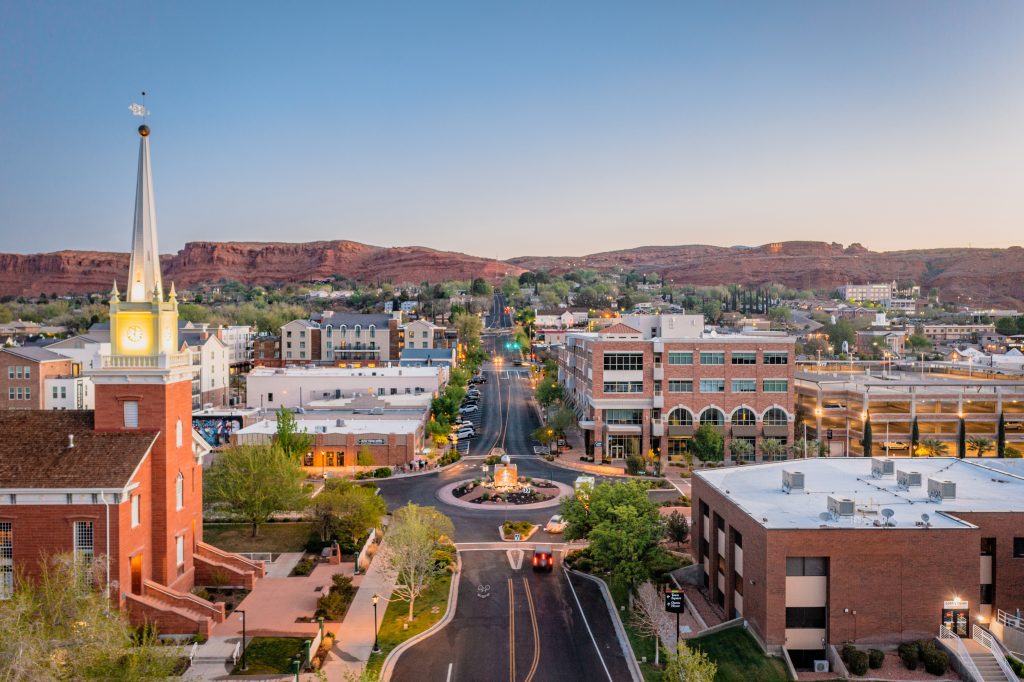
Centered around the City of St. George. This is Utah’s warm-weather answer, closer in feel to California’s Coachella Valley or the Palm Springs area than to anything near Salt Lake. Desert climate, mild winters, and red rock welcome you.
The trade-offs are a smaller job market, more distance from northern Utah’s major employment centers, and fewer of the larger-city amenities found along the Wasatch Front.
The mountain resort towns
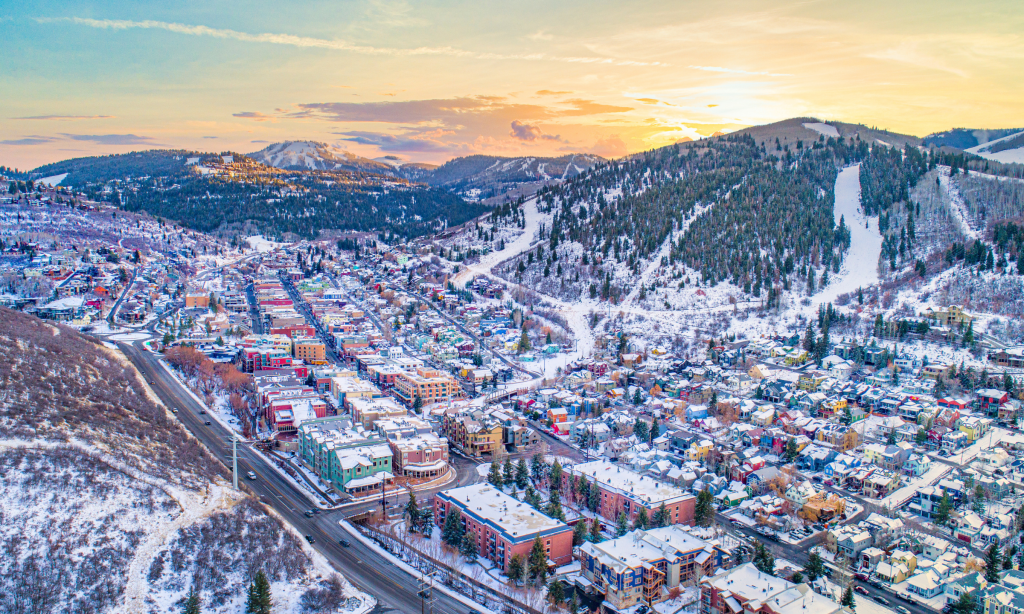
Park City and Summit County are Utah’s closest parallel to Tahoe: high-elevation communities with strong ski and recreation economies. They offer remarkable scenery and access to the slopes, but home prices reflect that appeal.
Rural and eastern Utah
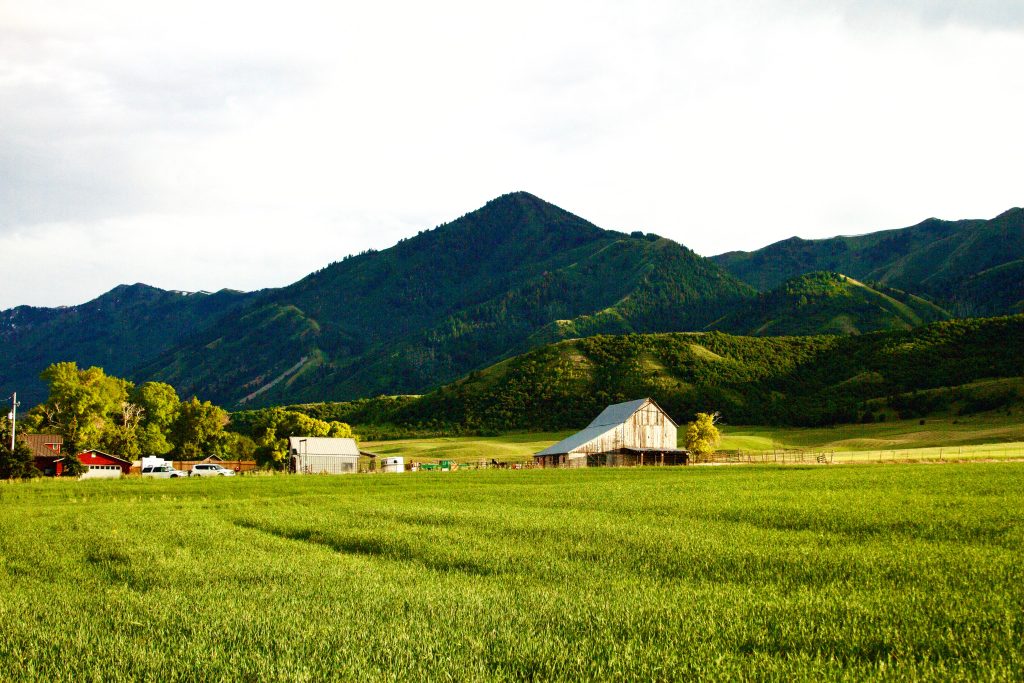
Rural and eastern Utah make up much of the state’s land area. However, only a small share of its population. They can be a great fit for people seeking more space and a quieter pace, though they are less common landing points for Californians relocating for work.
Best Places to Live in Utah for Californians
The right Utah community depends on what you want to carry forward from California—and what you are ready to leave behind. This guide helps break down the best places to live in Utah.
- Downtown Salt Lake City
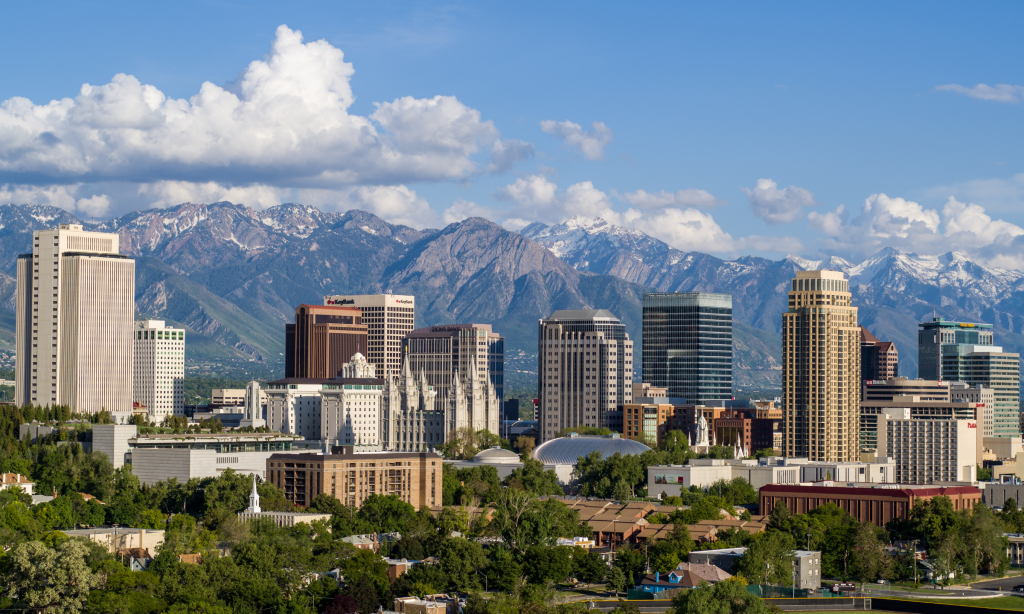
- This is the obvious first stop. It’s the state’s cultural and economic center, with the most restaurants, the most diverse population, and the shortest distance to both the urban core and the nearby ski resorts. IIt is also one of the state’s more expensive places to live. Compared with similarly central communities in California, however, many newcomers still find that their housing budget goes further.
- Utah County
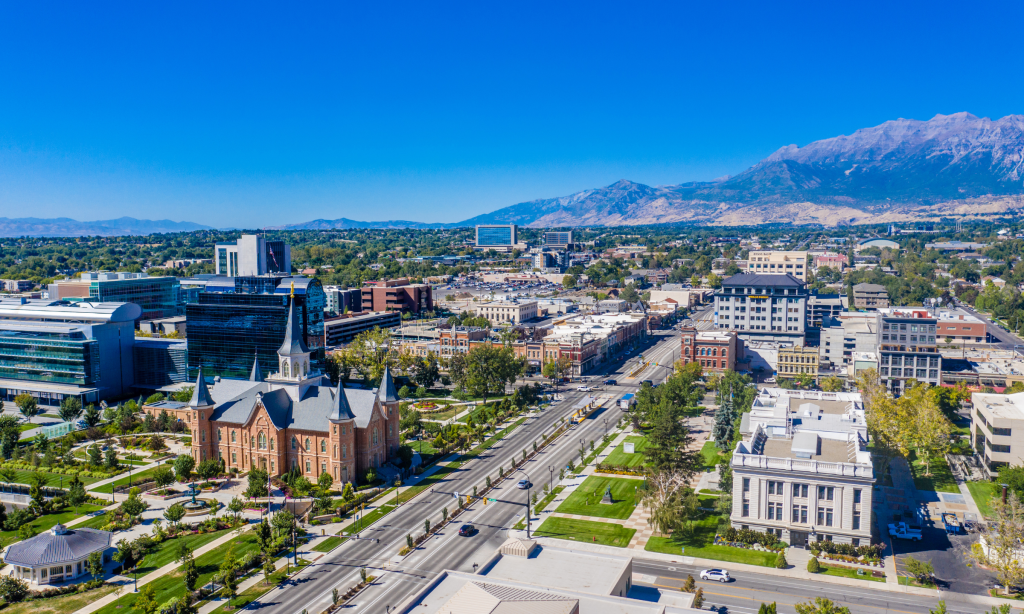
- Lehi and American Fork sit at the center of Silicon Slopes and are natural choices for people relocating for technology, startup, or business services work. Utah County tends to feel younger and more family-oriented than Salt Lake City, with a growing mix of housing, employment, and amenities.
- South Jordan and Daybreak
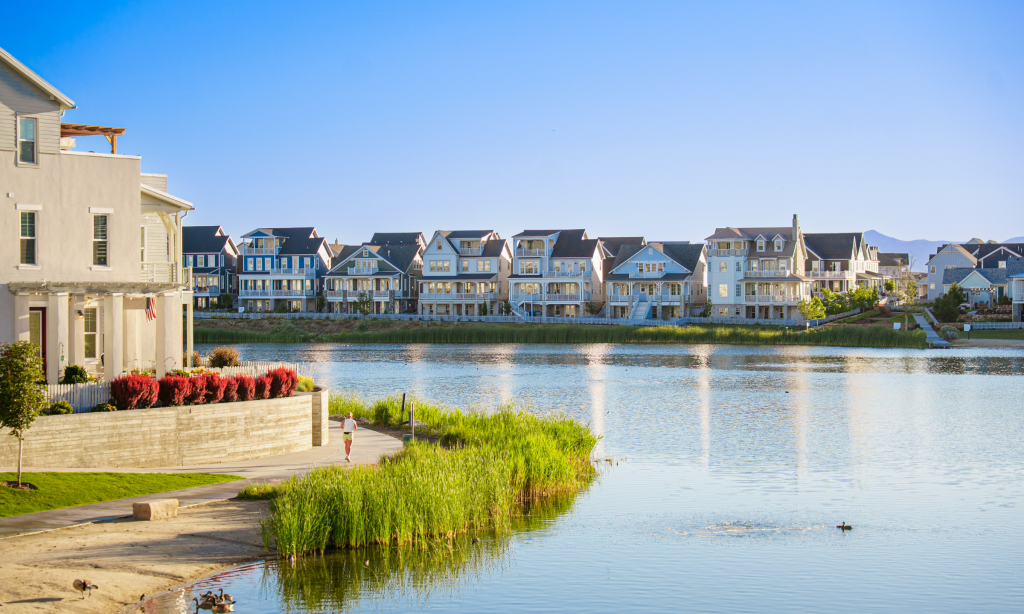
- South Jordan is a popular choice for people who want access to Salt Lake City and Utah County without living in the middle of a dense urban core. It offers newer neighborhoods, strong community amenities, and convenient access to major roads and transit.
Daybreak is a master-planned community designed around a different kind of suburban experience. Homes, parks, trails, gathering places, and everyday destinations are planned as part of one connected neighborhood rather than as separate pieces. At the center of that experience is Downtown Daybreak, Utah’s first sports and entertainment district. Anchored by The Ballpark at America First Square, the district brings together Salt Lake Bees baseball, movies, bowling, live music, restaurants, events, and gathering spaces in a walkable, bikeable setting.

That connection is part of what makes life here feel distinctly Daybreak. A quick bite can turn into a ballgame. A movie night can become a walk through the Square. An ordinary errand can stretch into an evening with friends. These are the unplanned moments that make a day feel made—and they are all close to home.
Daybreak’s TRAX light rail connection also gives residents another way to move through the region.
- Cottonwood Heights and Holladay
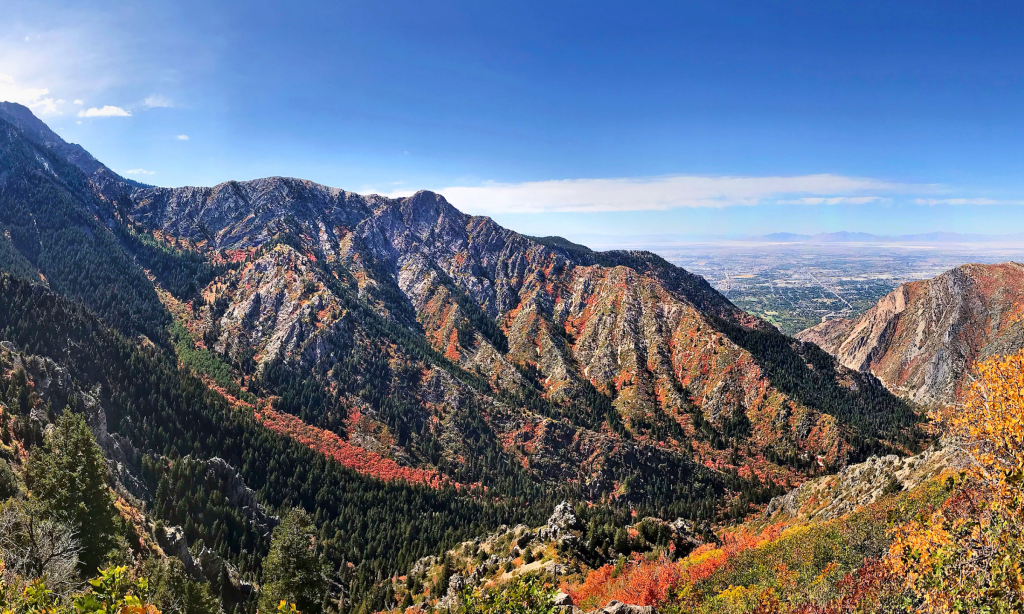
- These established, tree-lined communities sit near the mouths of Big and Little Cottonwood Canyons. They are also among the pricier suburban options in the Salt Lake Valley. Expect to pay a premium for mature neighborhoods, larger lots, established amenities, and proximity to the ski canyons—often more than you would in South Jordan or many west-side communities, though generally less than in Park City and other resort markets. They are a good fit for people who value neighborhood character and some of the shortest ski commutes in the valley.
- St. George
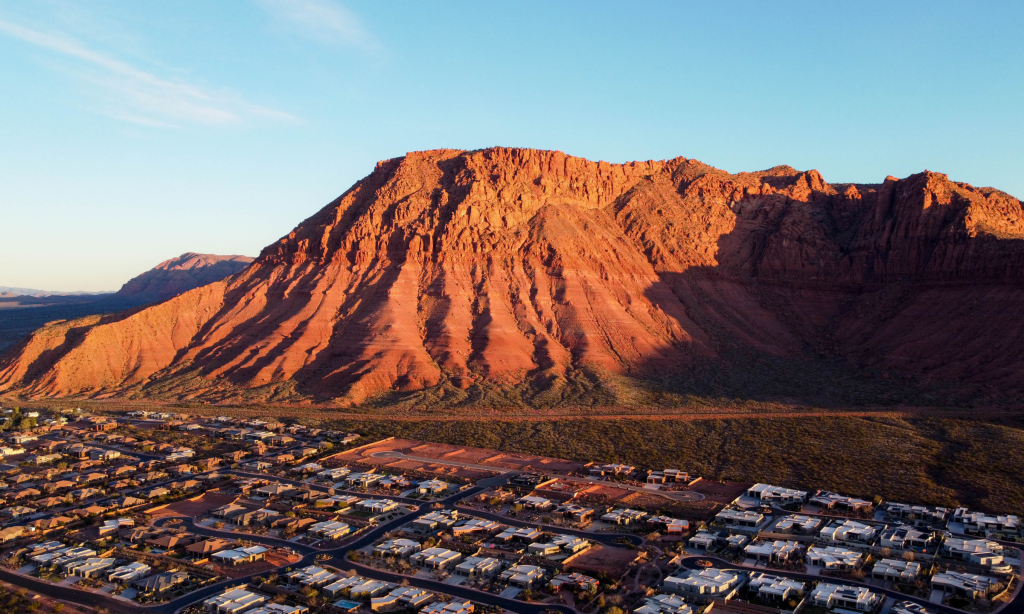
- St. George is the natural choice for people who want to minimize winter, prioritize national parks, or prefer a smaller desert community. Its warmer climate is a major draw, but the job market and amenity base are smaller than those of the Wasatch Front.
For a broader look at Utah check out the Best Places to Live in Utah guide.
Is Utah Cheaper Than California?
For many people moving from California, Utah is more affordable.
The largest differences are usually in housing and taxes, though everyday expenses can differ as well.
The more useful question is not “Is Utah cheap?” It is “What does my budget make possible in the specific Utah community I am considering?” A home in South Jordan, a condo in Salt Lake City, and a house in St. George represent very different costs—and very different lifestyles.
Housing Costs: Utah vs. California

This is where the difference is most noticeable. Statewide median home prices in Utah run several hundred thousand dollars below California’s, and the gap widens considerably if you’re coming from the Los Angeles, Orange County, Bay Area, or San Diego markets.
In broad terms, according to Zillow:
- Home prices: The typical home value in Utah is around $550,000 compared to over over $775,000 statewide in California, or considerably higher in coastal metros like Los Angeles ($880K in LA County) or San Francisco ($1.4 million)
- Rent: A two-bedroom apartment in Utah typically runs $1,500–$1,900 a month, versus $2,500 or more for a comparable unit in most California cities.
Many Californians find that a similar budget can provide a larger home, more outdoor space, or newer construction in Utah. That does not mean every Utah neighborhood is inexpensive. It means the comparison becomes more favorable when you look at the home and community—not just the state average.
Income Tax: Utah vs. California
Utah uses a flat state income tax, while California uses a graduated system with higher marginal rates at higher income levels. The difference may be meaningful, particularly for higher earners leaving California, but your actual outcome depends on income, deductions, filing status, and other circumstances.
Treat headline tax rates as a starting point—not a promise. Run your own numbers with a qualified tax professional before making a move based on taxes alone. Current state information is available from the Tax Foundation’s Utah overview and California overview.
Property Tax
Property tax tells a more nuanced story.
Utah’s effective property tax rate averages 0.48%; California’s averages 0.70%. But California’s Proposition 13 locks a homeowner’s tax basis at their original purchase price and caps annual increases, while Utah reassesses market value yearly.
That means a Californian who has owned a home for many years may not automatically pay less property tax after moving to Utah. Compare the actual estimated bill for the home you are selling with the bill for the home you are considering.
Sales Tax
Sales tax depends on the state, county, city, and—in some places—additional local districts. Utah’s combined rate is often lower than California’s, but the rate you pay will depend on where you shop. For current comparisons, see the Tax Foundation’s state sales tax data.
How Traffic Compares
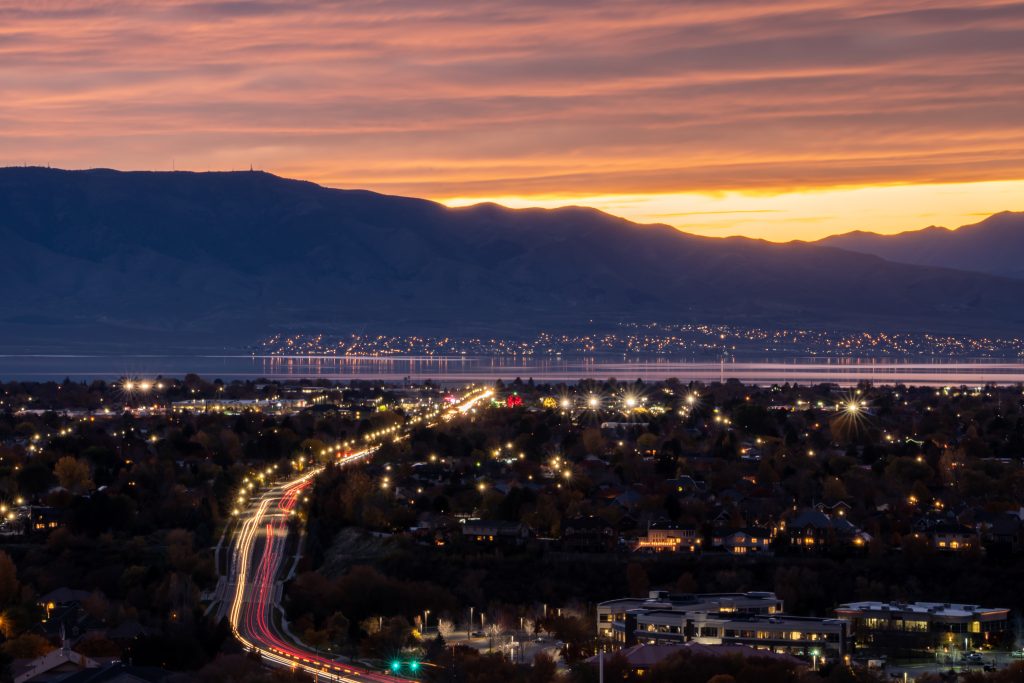
If you’re leaving Los Angeles, the Bay Area, or San Diego traffic, this is one of the more immediate quality-of-life changes. Certainly metropolitan areas like Salt Lake City have rush-hour congestion. The Wasatch Front has grown quickly, and I-15 has its moments. But it’s a different category from Southern California gridlock. National traffic rankings routinely place multiple California metros among the worst in the country for congestion; Salt Lake City typically shows up much further down the list, and you’d be hard pressed to find anywhere else in Utah on there.
Utah also has a very useful public transit option in TRAX, the light rail system connecting much of the Salt Lake Valley, along with the FrontRunner commuter train linking Ogden, South Jordan, Salt Lake City, and Provo. It won’t replace a car for most people, but it’s a real alternative for commuting into downtown Salt Lake or catching a Utah Jazz or Bees game without hunting for parking.
Weather in Utah vs. California
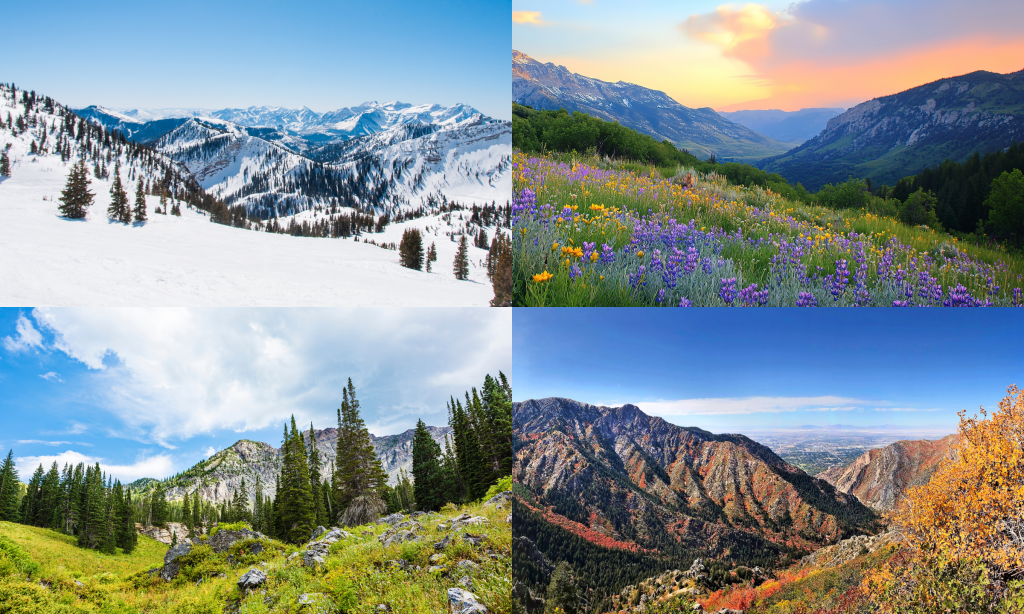
Weather is one of the biggest adjustments for Californians—and one of the reasons many people stay.
Along the Wasatch Front, winters bring regular snow, freezing temperatures, icy roads, and the occasional storm that changes the day’s plans. You may need snow tires, reliable windshield-washer fluid, a good ice scraper, and a little more patience when driving.
Summers are hot and dry, often reaching the high 80s to mid-90s. The lack of coastal humidity can make the heat feel different, but shade, water, and a plan for afternoon heat still matter.
Spring and fall are shorter than the long, mild seasons many Californians know, but they are also some of the most rewarding times of year in Utah. Trees change color, trails open up, and the mountains become part of the everyday backdrop.
Southern Utah is a different experience. St. George receives very little snow compared with the Wasatch Front, and winter afternoons are often mild. In Utah, elevation and latitude matter as much as the state line, so choose your region with climate in mind.
Job Market: Utah vs. California

Utah has a diversified economy with notable employment in technology, healthcare, finance, business services, construction, and outdoor recreation. The Silicon Slopes corridor—from Provo and Lehi through the Salt Lake region—continues to attract companies, entrepreneurs, and workers from larger technology markets.
At the same time, Utah’s job market is smaller than California’s. If your career is tied to entertainment, a specialized finance niche, biotech research, or another industry concentrated in California, confirm local demand before you move. The Utah Department of Workforce Services is a useful starting point for current labor-market information.
The Culture Shift Worth Knowing About
Ask a longtime Utahn what defines the state’s culture and mountains usually come up before anything else. Utah’s outdoor identity isn’t a marketing angle—although it is true we have the “Greatest Snow on Earth.”
Outdoor Activities in Utah

Utah is home to five national parks—Zion, Bryce Canyon, Capitol Reef, Canyonlands, and Arches—along with state parks, reservoirs, trails, and public lands throughout the state. Along the Wasatch Front, several ski resorts are within an hour of Salt Lake Valley communities, depending on traffic and conditions.
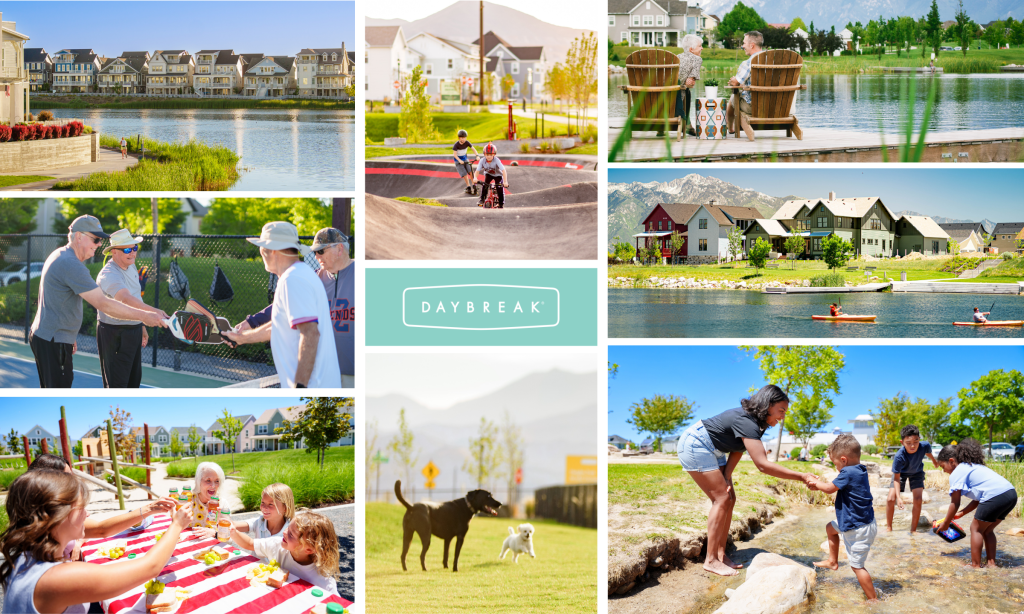
Daybreak reflects that connection to the outdoors in a more local way. Its trails, parks, lake, and Watercourse make recreation part of the neighborhood rather than something that always requires a long drive.
What to Expect from the Actual Move

A full-service move from California to Utah can cost several thousand dollars, depending on the size of your household, origin city, destination, timing, and services. Renting a truck and driving yourself can reduce the price, but it adds planning, fuel, lodging, and physical work.
The drive typically takes one to two days, depending on your route. If you are moving between November and February, plan for weather delays across mountain passes and build flexibility into your schedule.
Utah does not generally require a statewide moving permit, but check with your destination city about parking a moving truck on the street. This is especially important in older neighborhoods with narrower roads or limited parking.
If you are moving into a newer planned community, some of the practical details may be more coordinated than they are in an established neighborhood. Before arrival, confirm utilities, mail forwarding, HOA information, school boundaries, trash service, and move-in procedures. In Daybreak, community information and amenities are organized around helping residents understand how the neighborhood works from the beginning.
The Bottom Line
Moving from California to Utah is a trade: coastal weather and a larger job market for more space, distinct seasons, and closer access to the outdoors. For many people, it is also a chance to choose a more connected day-to-day rhythm—one shaped by neighborhood life, shared spaces, and time outside.
The state line is only the beginning. Your experience will depend on where you land, how far you commute, what kind of winter you want, and what you want your everyday life to feel like.
That is why the neighborhood decision deserves as much attention as the decision to move. If South Jordan is on your list, Daybreak offers one way to make the transition feel less like starting over and more like finding your next place to call home.
Relocating to Utah from California Checklist
There’s a lot to consider. Here’s few more resources to help plan out the move:
*We love sharing tips, but this isn't a substitute for expert guidance. Always connect with a qualified real-estate pro for personalized advice.


